Penny Hunter
Penny Hunter
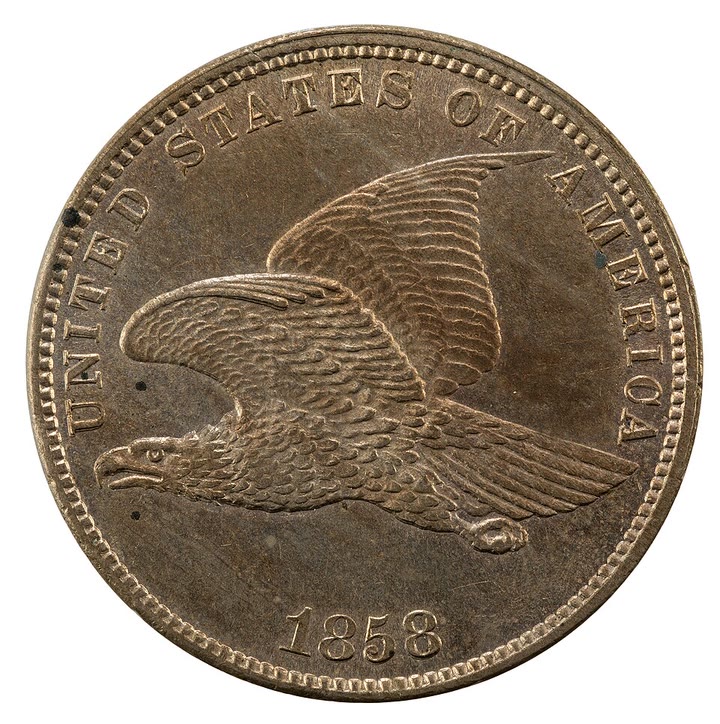
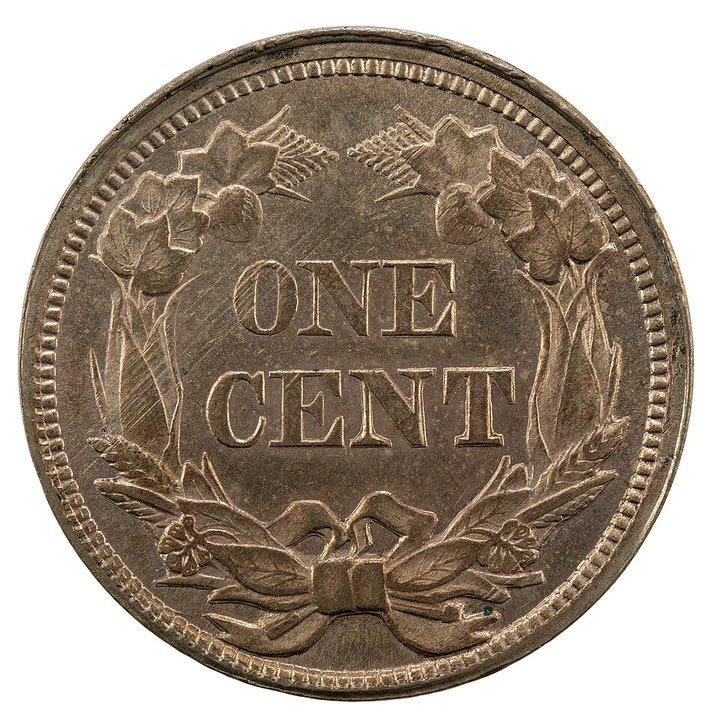
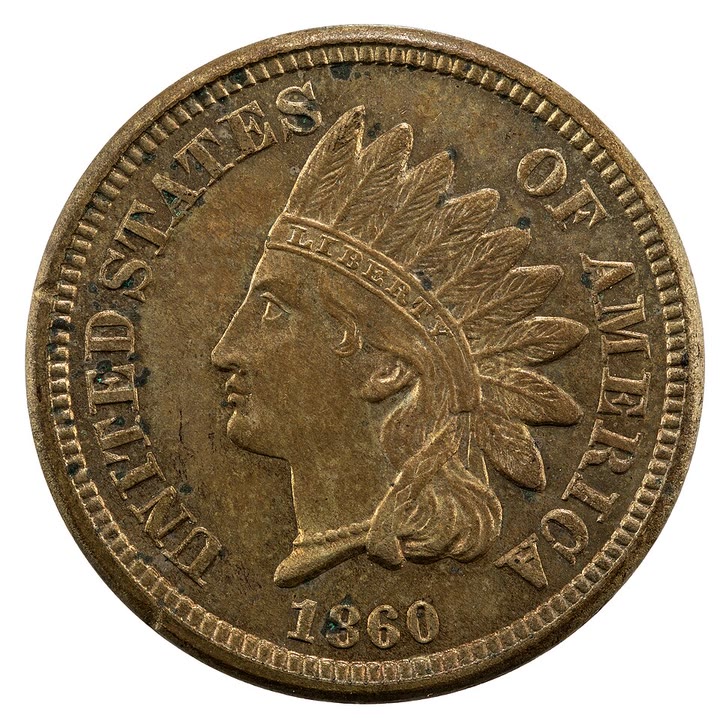
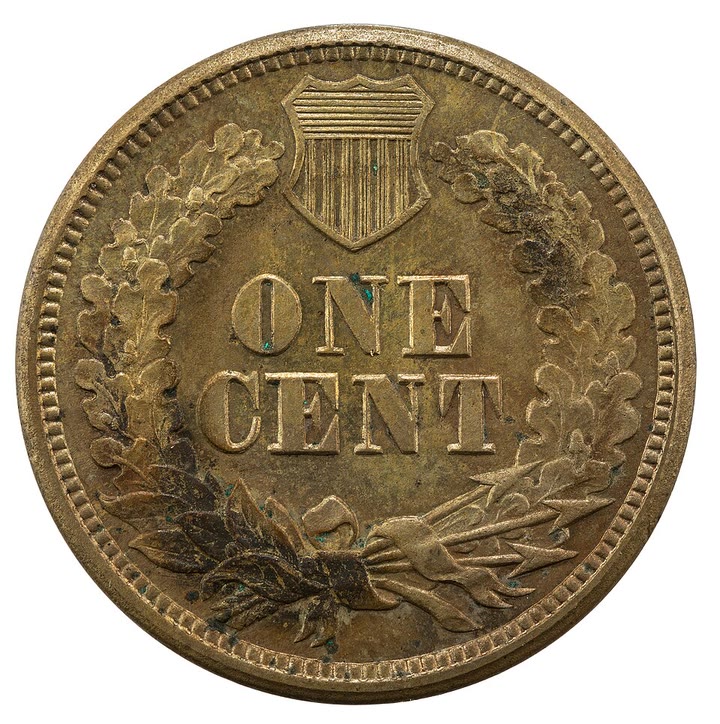
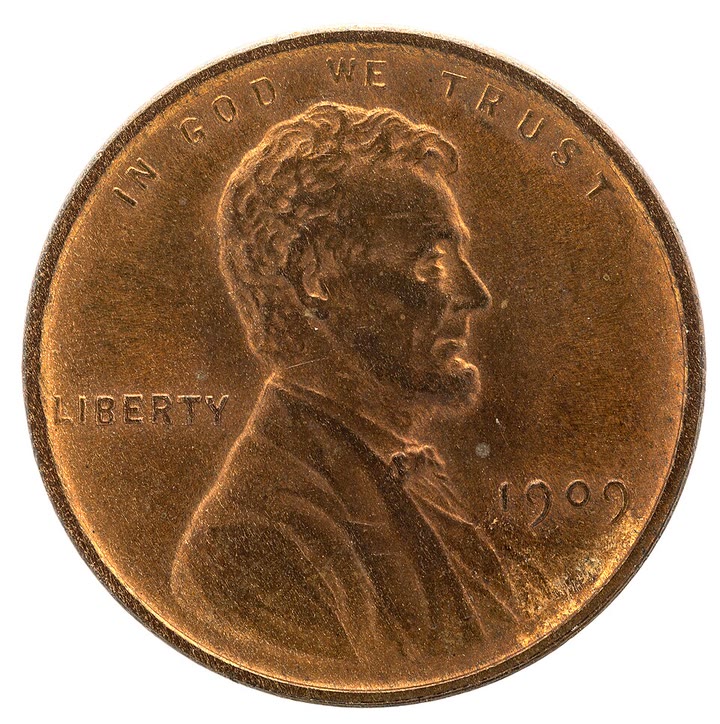
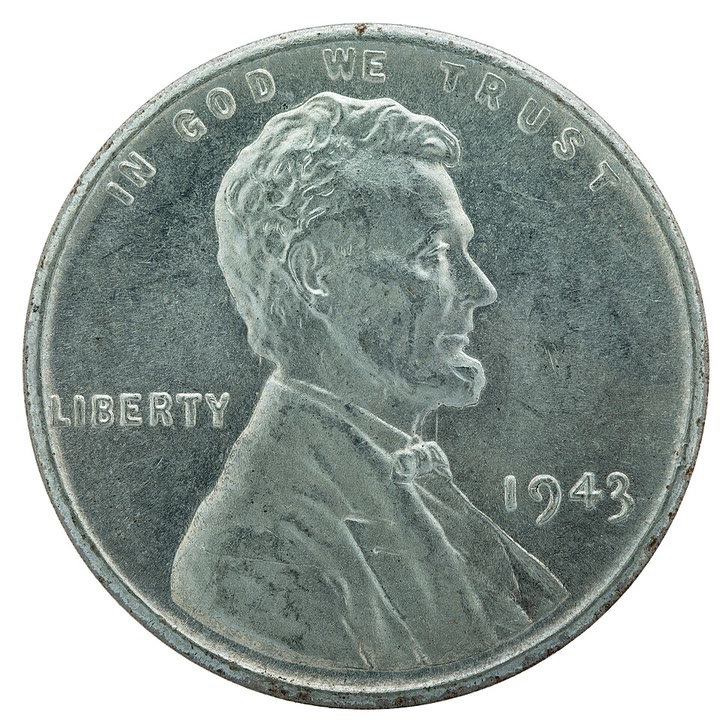
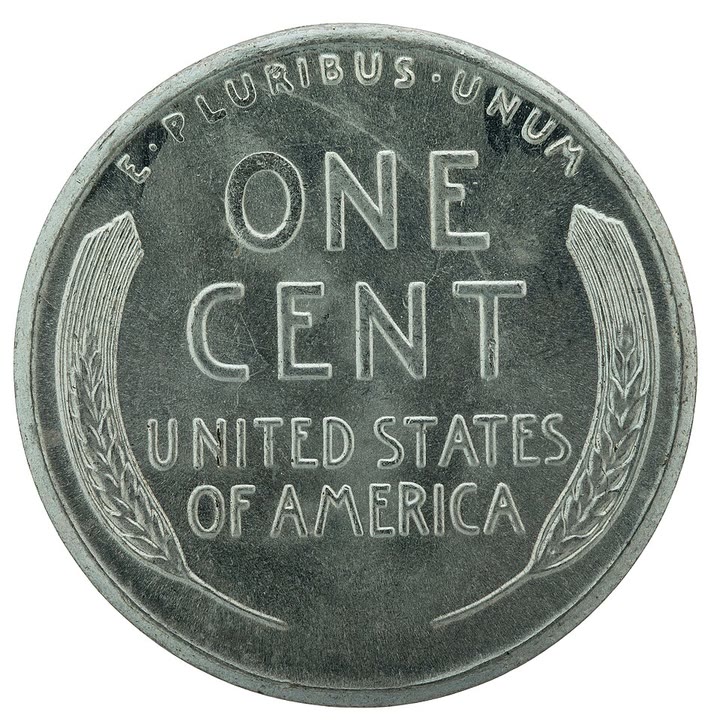
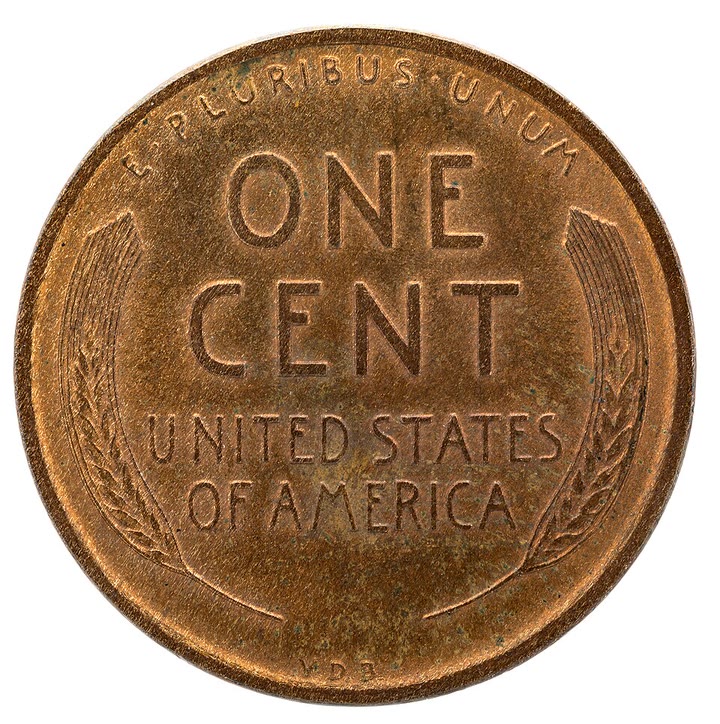
Penny Hunter is a specialist, not a general sorter. One coin size, one weight class, four series to know: Flying Eagle (1856–58), Indian Head (1859–1909), Lincoln Wheat (1909–1958) and the 1943 steel.
Because every coin is the same 19.05 mm disc, the machine locks its focus, exposure and chute geometry once — and goes 10–20× faster than a general-purpose sorter, targeting 3,000+ coins an hour at under $0.05 of AI cost per thousand. Composition is decided by sensors, not photos: a load cell and a magnet resolve bronze, zinc and steel in milliseconds, and a coin dated 1943 that is not magnetic and weighs 3.11 g is a $150,000+ bronze error, caught by physics before any camera fires.
Two cameras shoot both faces at once — no flippers, no funnels, nothing that jams. Sort rules are plain English in a text file, so the machine changes behavior with a sentence, not code.
Built from the Numi v4 playbook — its wins kept, its documented mistakes deleted. And it is built to be watched: the LED ring glows copper for copper, green for a save, gold for a jackpot, and the machine stops, lights up and sounds off when a key date comes through.
One coin, one size
19.05 mm, four faces to know: Flying Eagle · Indian Head · Lincoln Wheat · 1943 Steel (1856–2026)
3,000+ coins per hour
the pipeline never stops for the AI; frame, weight, verdict and carousel all overlap
Sensors before photos
weight and magnetism decide composition; a 1943 non-magnetic 3.11 g coin is a $150k+ bronze error, caught instantly
Two cameras, zero flippers
both faces shot at once, gravity and vibration do the transport, nothing jams
Plain-English sort rules
add "pull 1943 steel" as a sentence, no code, no retraining
The hunt list
1909-S VDB, 1955 DDO, 1969-S DDO, 1970-S small date, 1982-D small-date copper and more, each with its own catch method
Built to be watched
LED ring glows copper/green/gold, a cash-register chime for a wheat, a fanfare for a jackpot